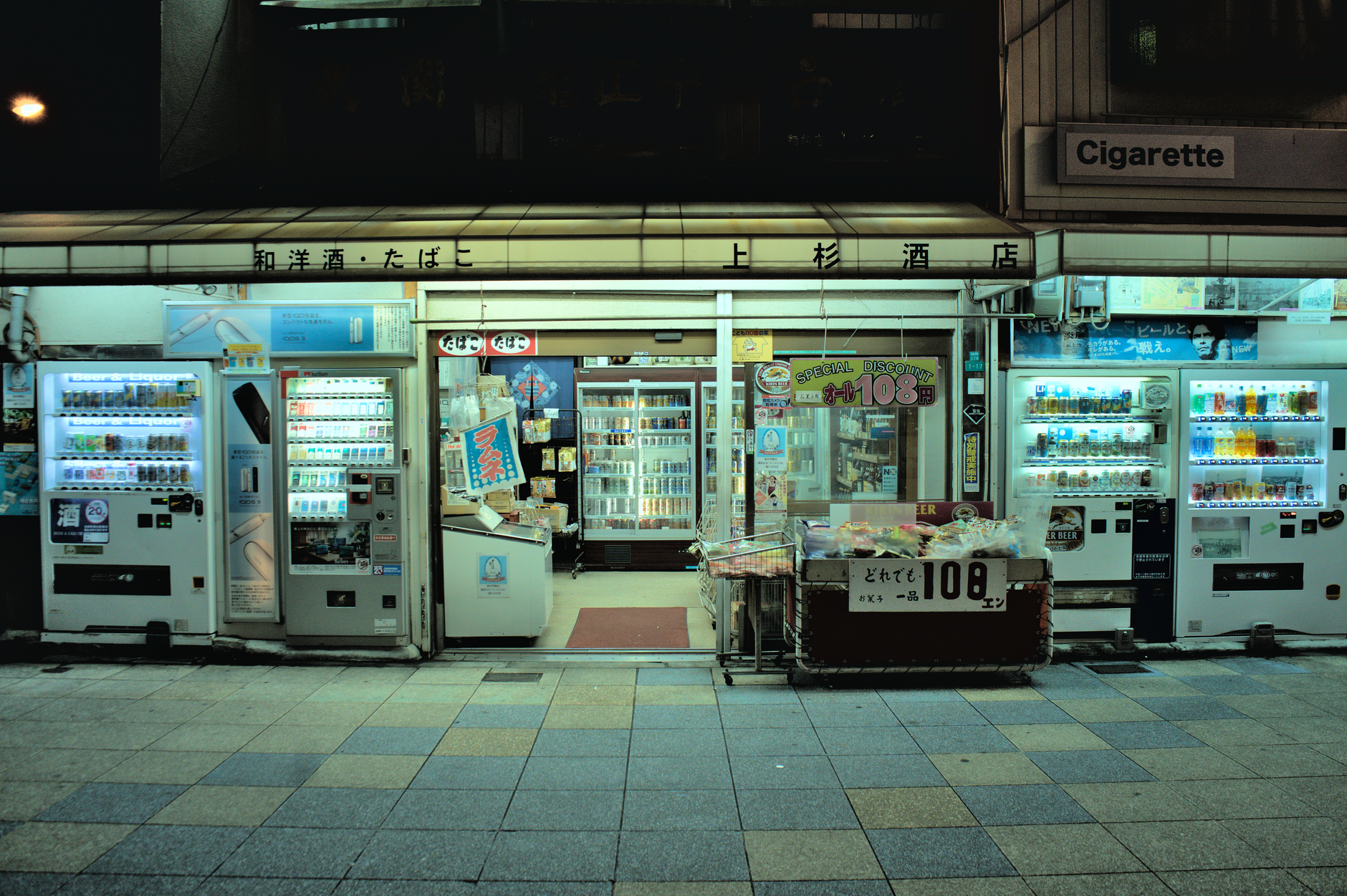
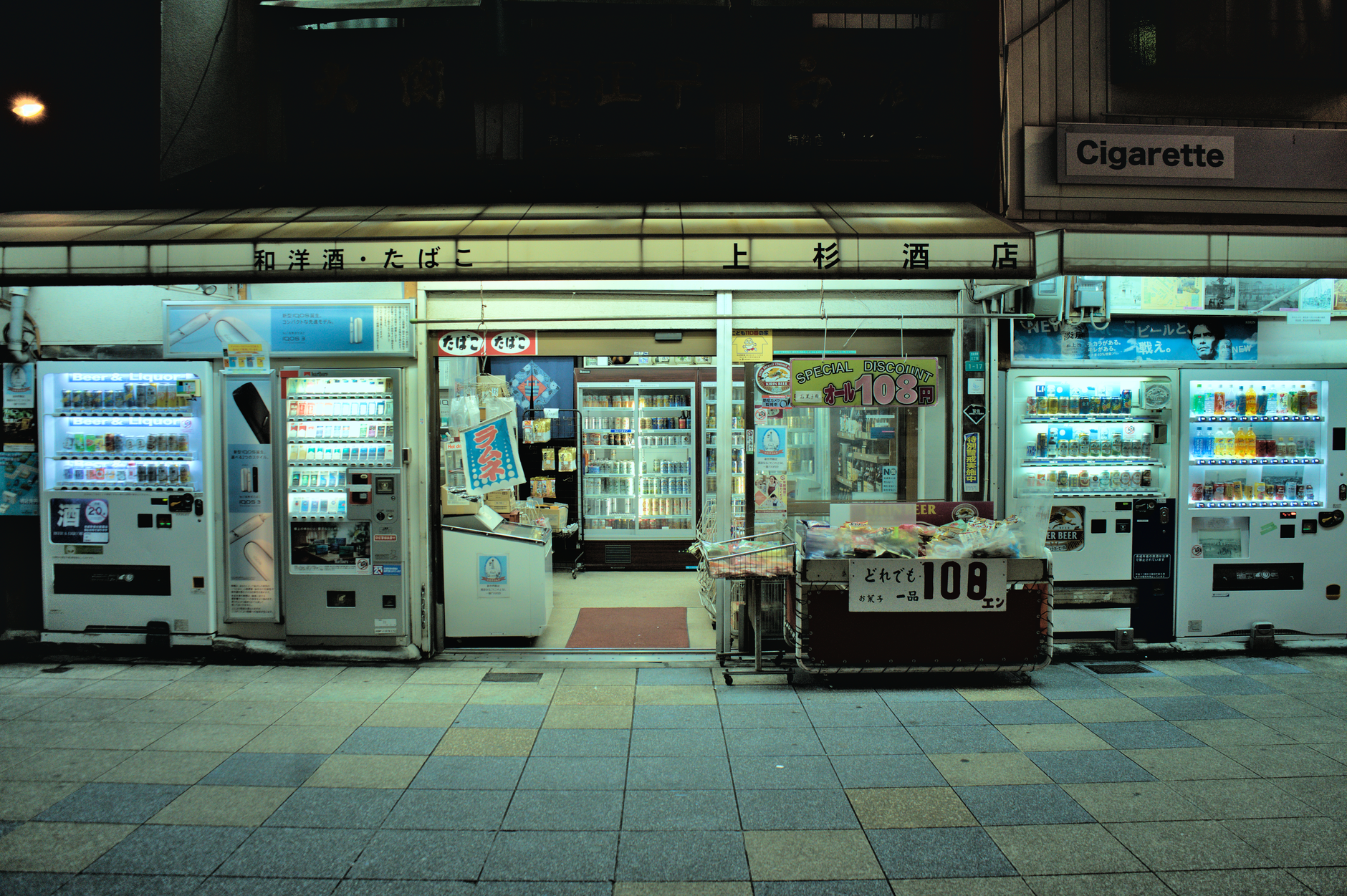
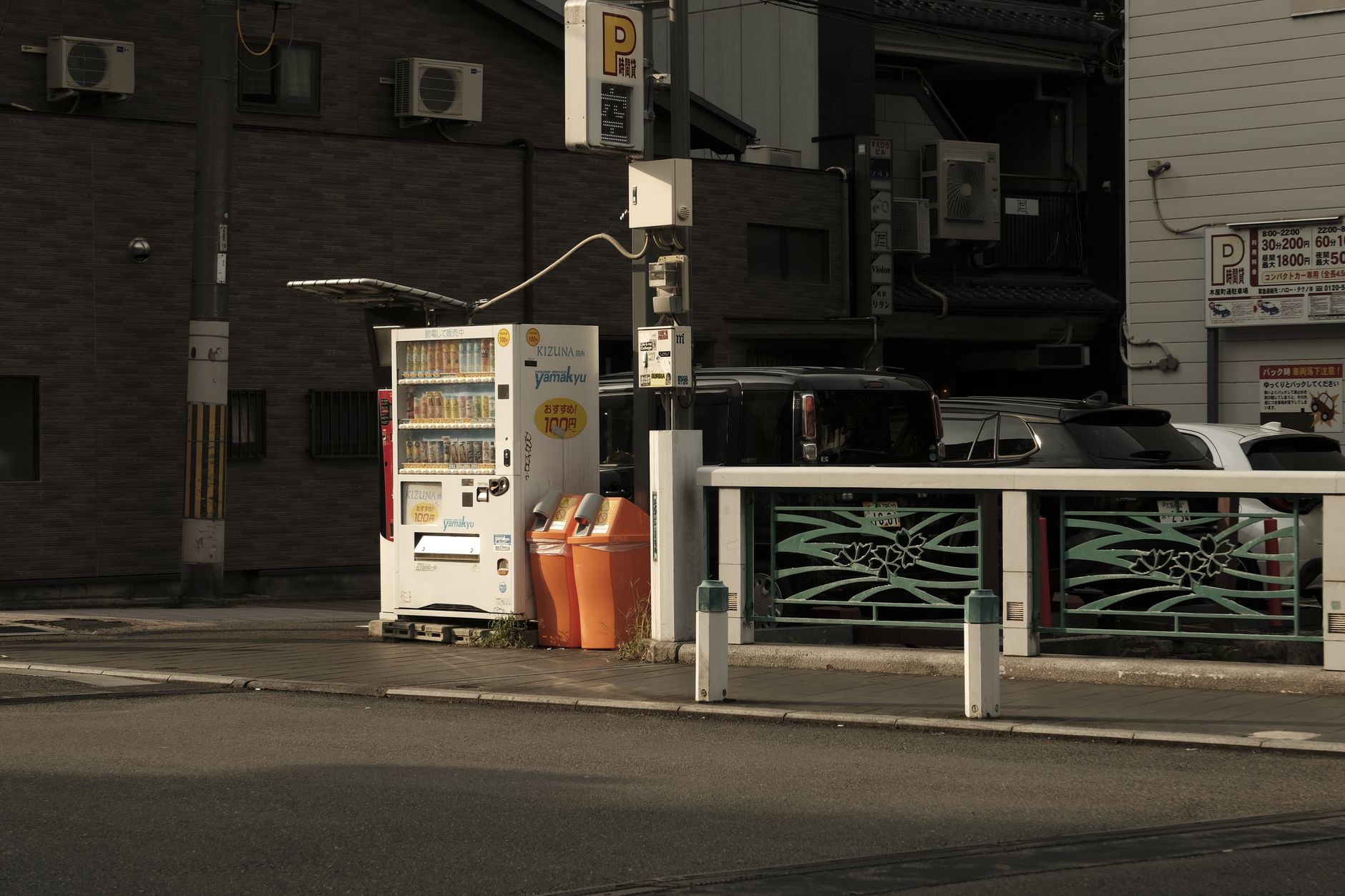
Why are Japanese vending machines everywhere? In Osaka, foot traffic, delivery routes, and hot coffee in winter explain their ordinary convenience.
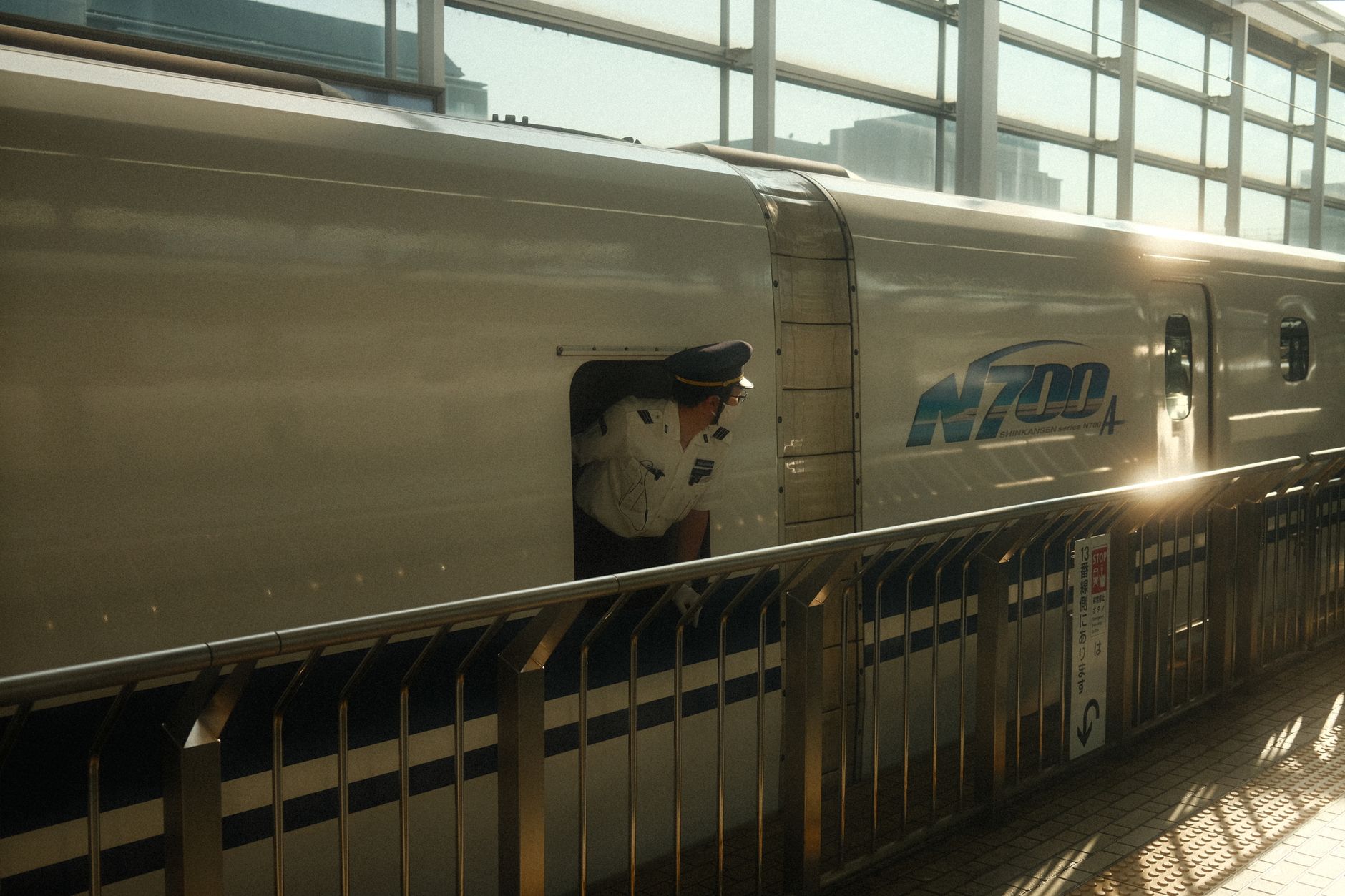
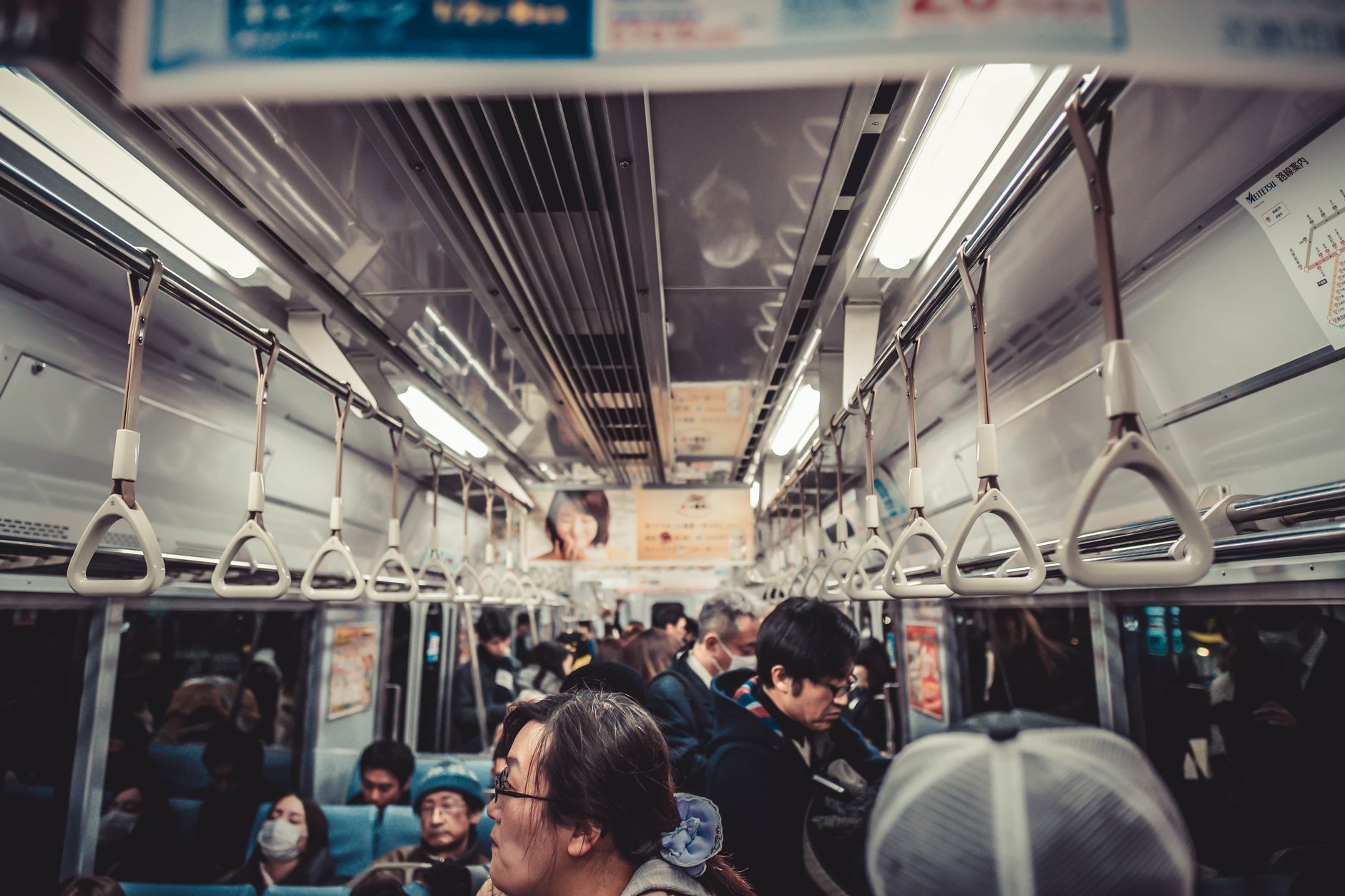
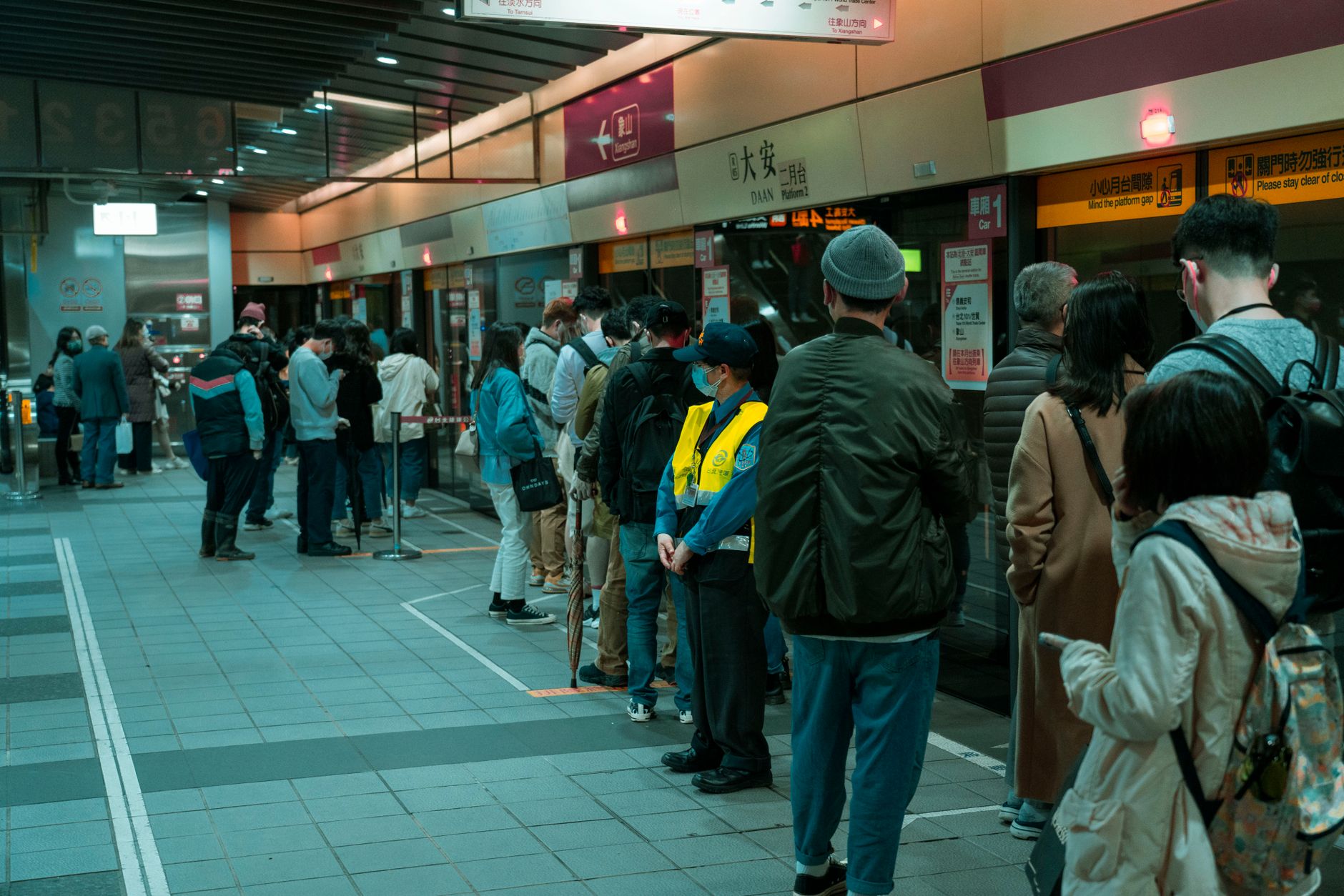
Why does a train conductor bow to an empty aisle? Bowing in Japan ranges from a quick acknowledgment to a formal apology.
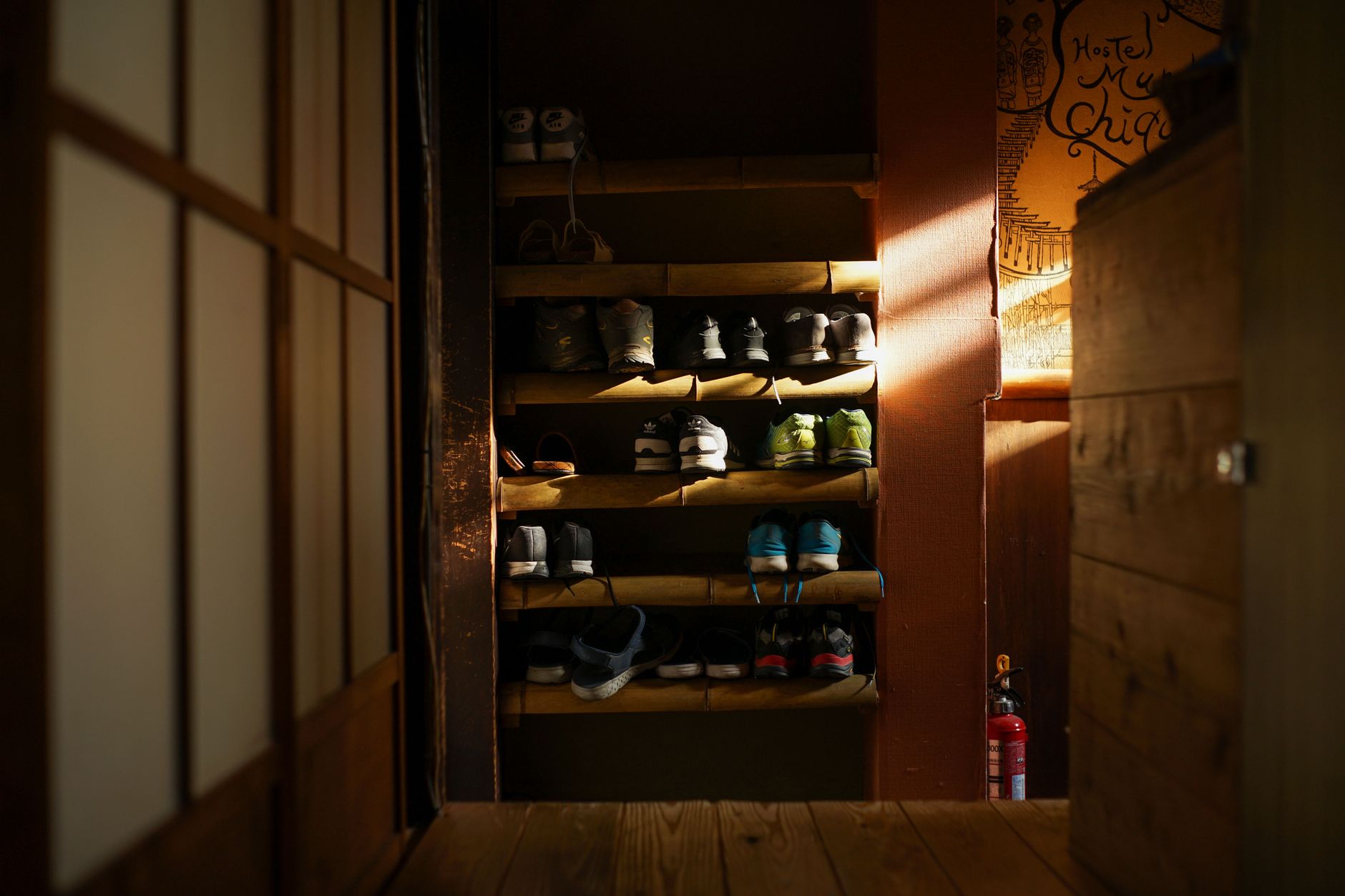
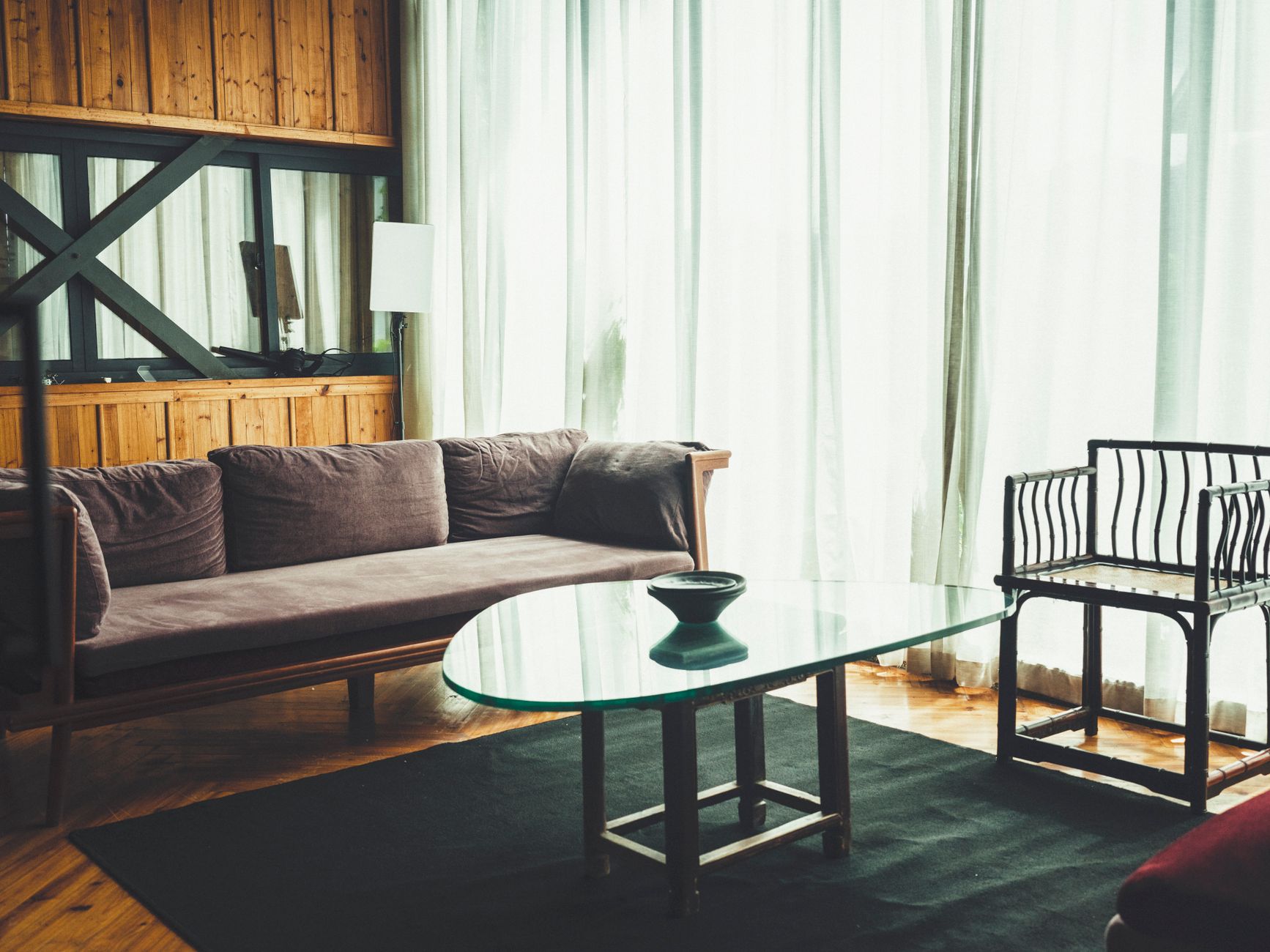
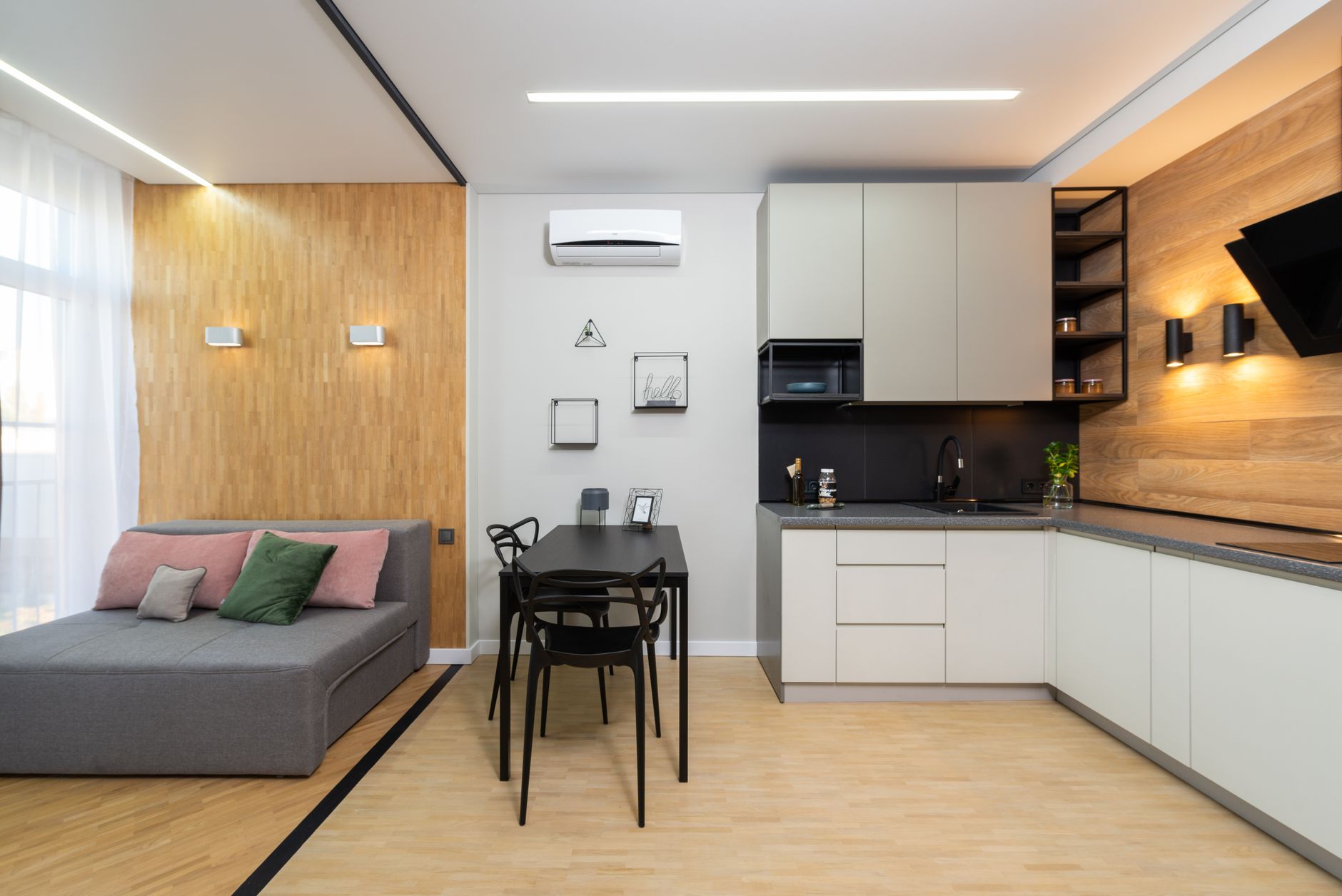
What does an ordinary Japanese home look like? A genkan, separate bath and toilet, built-in storage, and rooms that change use through the day.
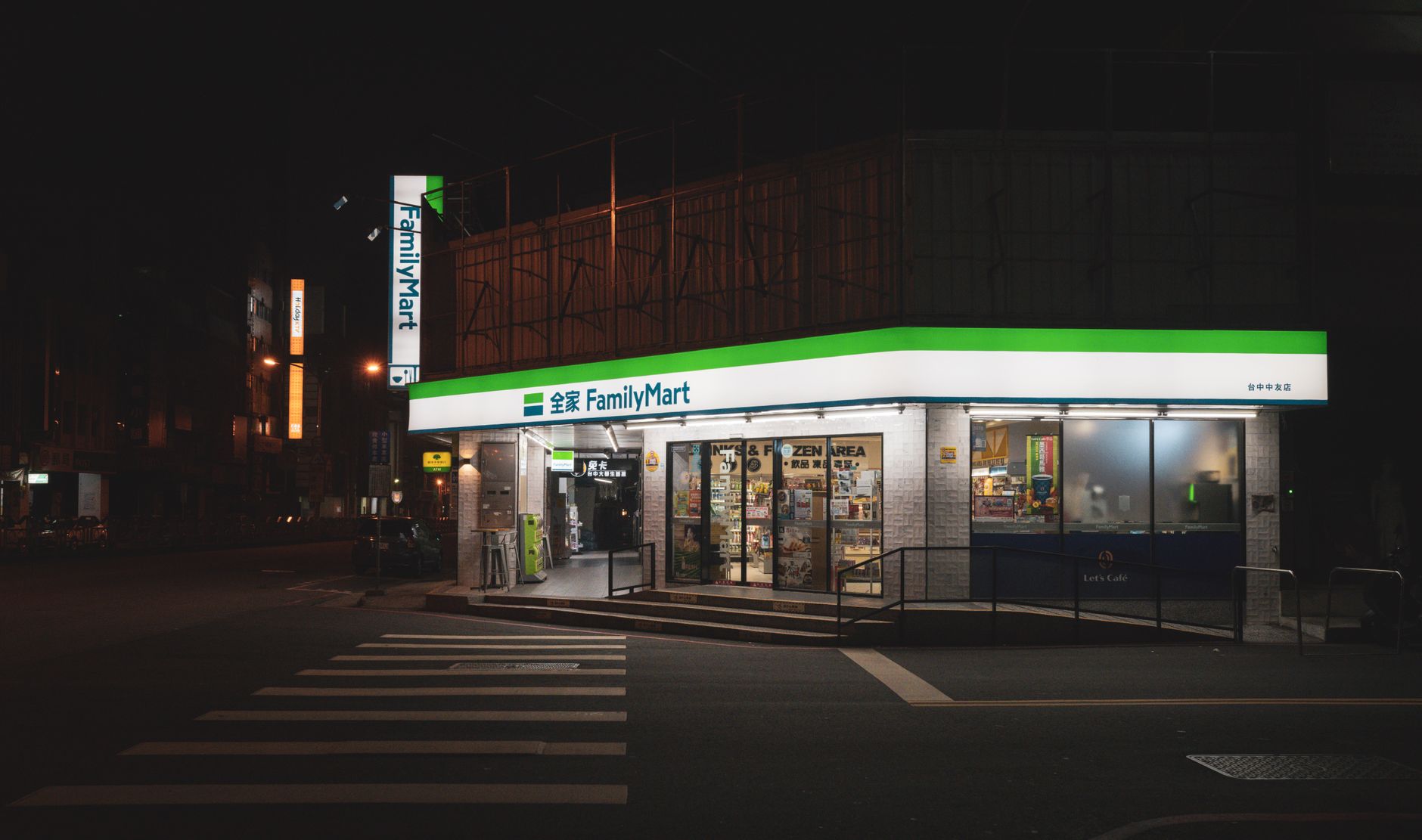
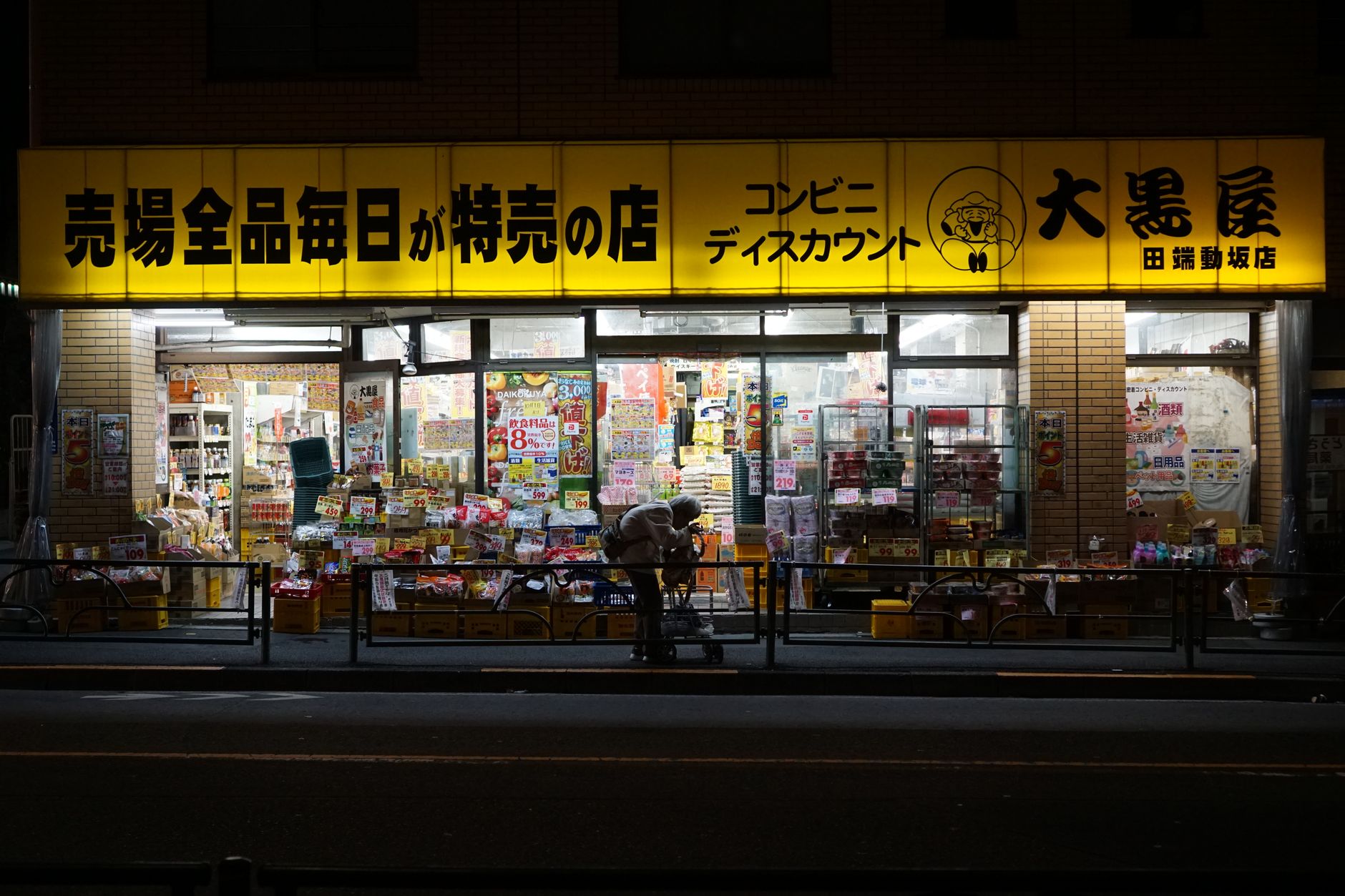
Why can two konbini share one block? Small plots, passing foot traffic, frequent deliveries, and flexible hours explain the density.
Why does an Osaka weather forecast say shito shito or zaa zaa? Japanese onomatopoeia describes rain, texture, pressure, and mood—not just sound.
Why does renting in Japan involve key money and a guarantor? This guide explains upfront fees, lease types, screening, and what happens to the deposit.
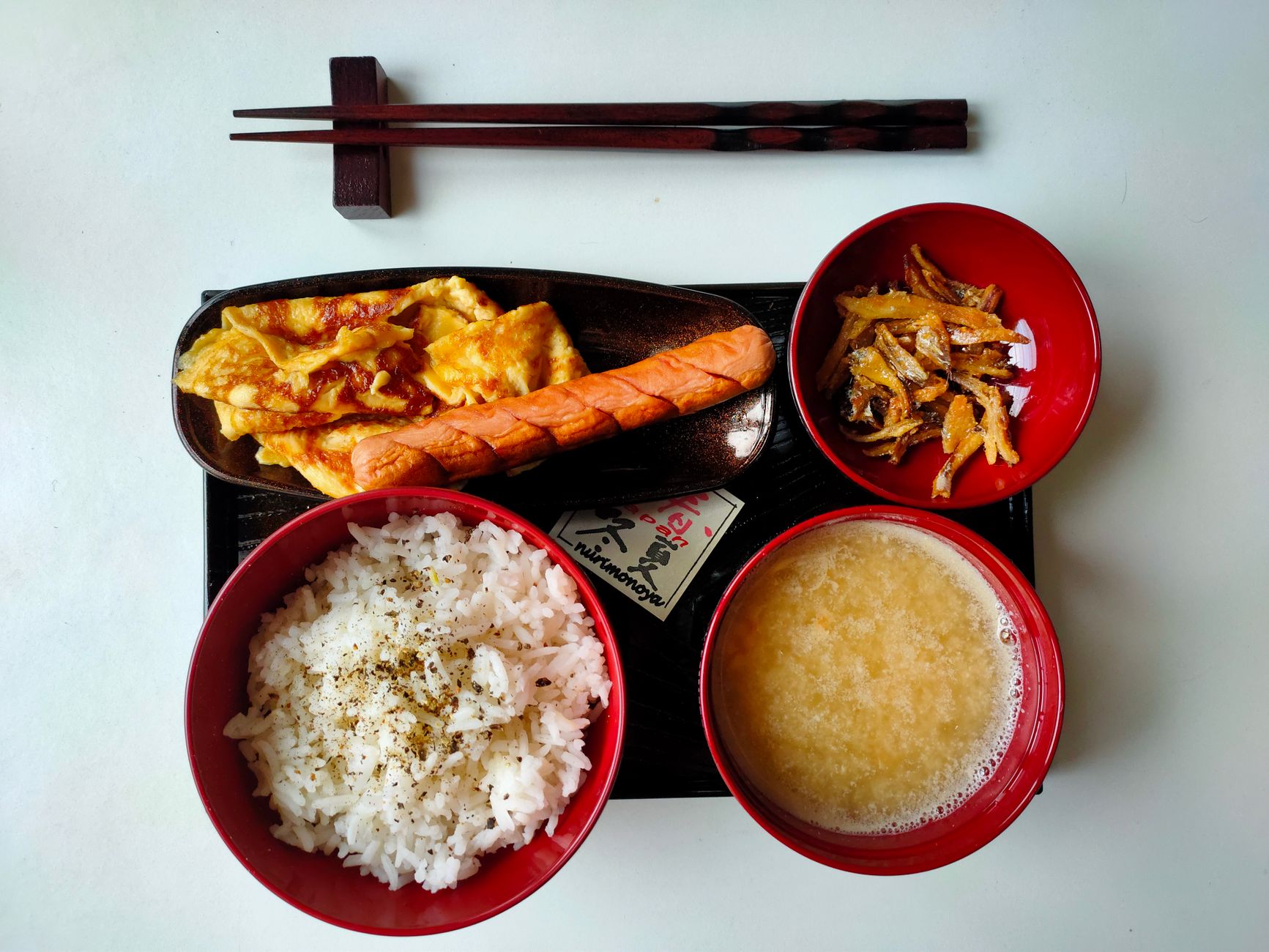
A Japanese breakfast can mean rice, miso soup, or toast and coffee. See how weekday commutes turn the traditional set into a quicker meal.

Everyday Japan. Everything Japan.

Editor's Pick

Why does Osaka sound different from Tokyo? Kansai-ben changes pitch accent and sentence endings, shifting with the setting from TV to neighborhood life.
Why does a Japanese no sound like “that’s difficult”? See how pauses, chotto, and workplace relationships turn refusals into softer answers.
A coworker's pause in Osaka once felt like a mistake. Here's how silence can signal thinking, soft refusal, or disagreement in everyday conversation.

Living

Inside an ordinary Japanese home — the genkan, the tatami, and the weekly business of garbage days.

Food & Drink

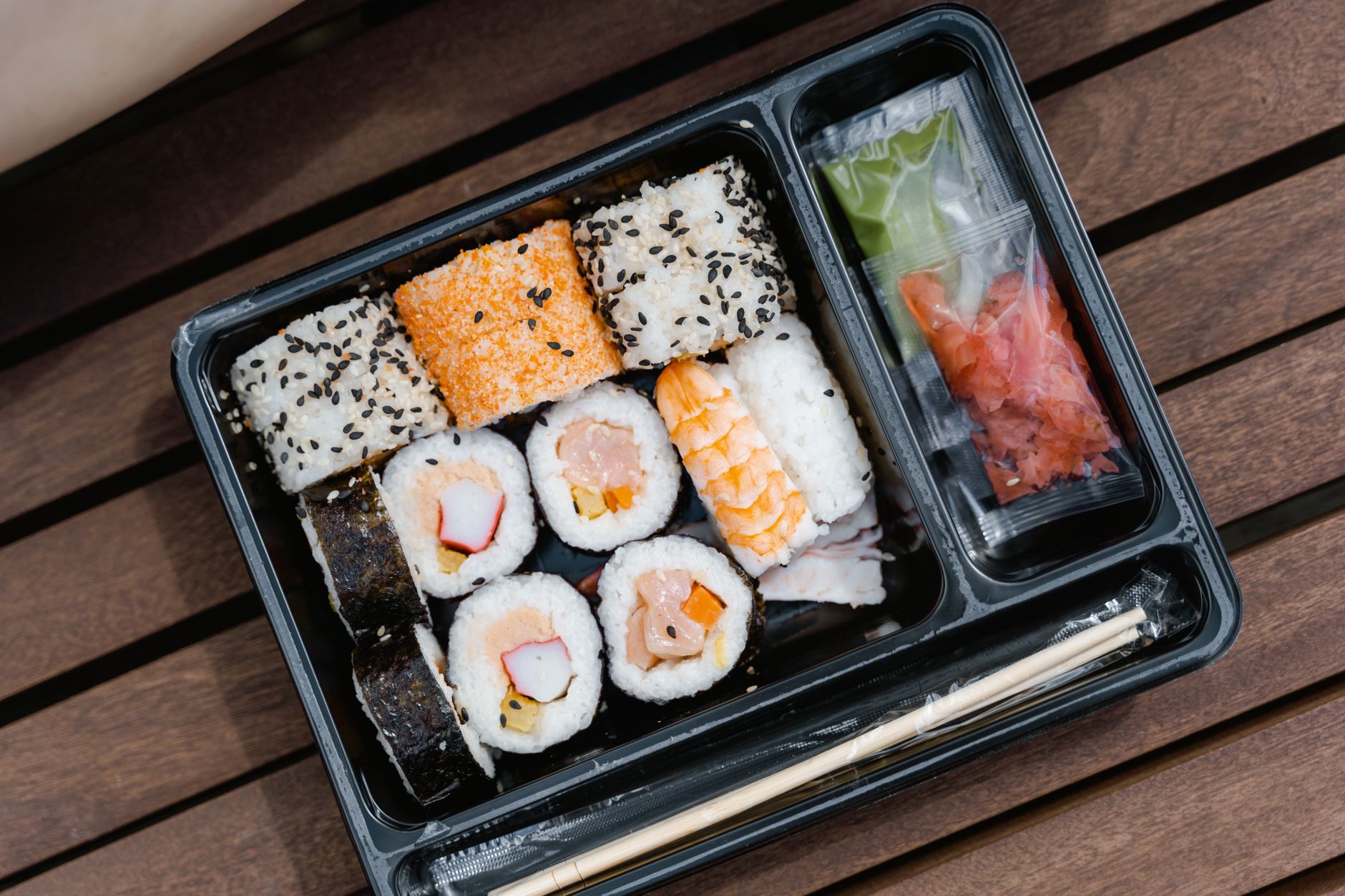
What a real dinner looks like, and what a meal actually adds up to.

Out & About

Konbini, vending machines, station lockers and trains — how the street outside actually works.

Customs

Shoes off at the door, a bow that carries several meanings, and rules nobody writes down.

Communication

Small noises, long silences, and why a direct no rarely arrives as one.

Money & Admin

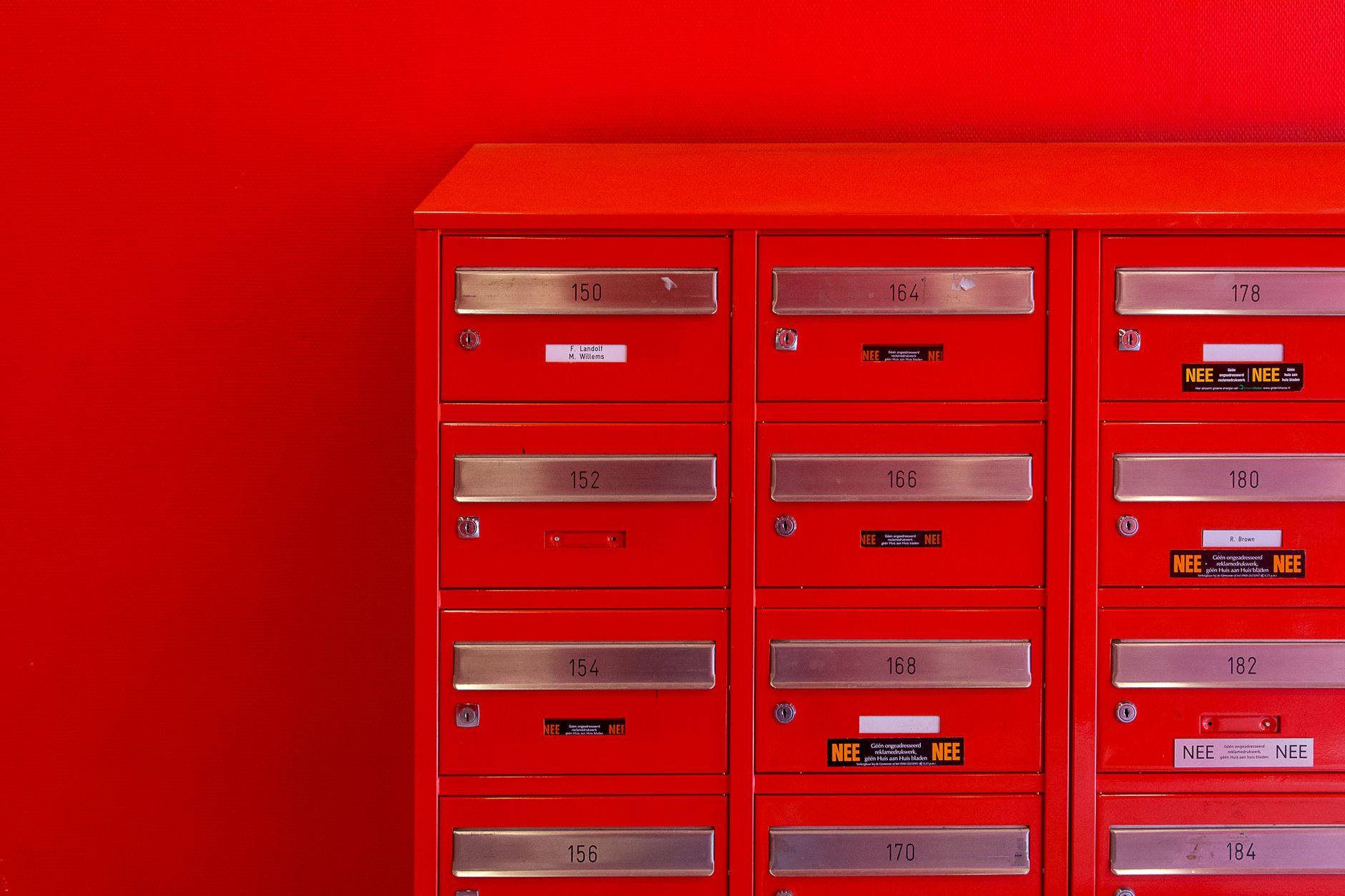
Bank accounts, tax notices, the ward office, and the envelopes that keep arriving.

Work

The office day, the hiring rounds, and the language that runs both.

Signup Our Newsletter!

Popular Reads

Why is the table only knee-high? A Japanese low table, zabuton cushions, and a folding room layout let one space shift from dinner to sleep.
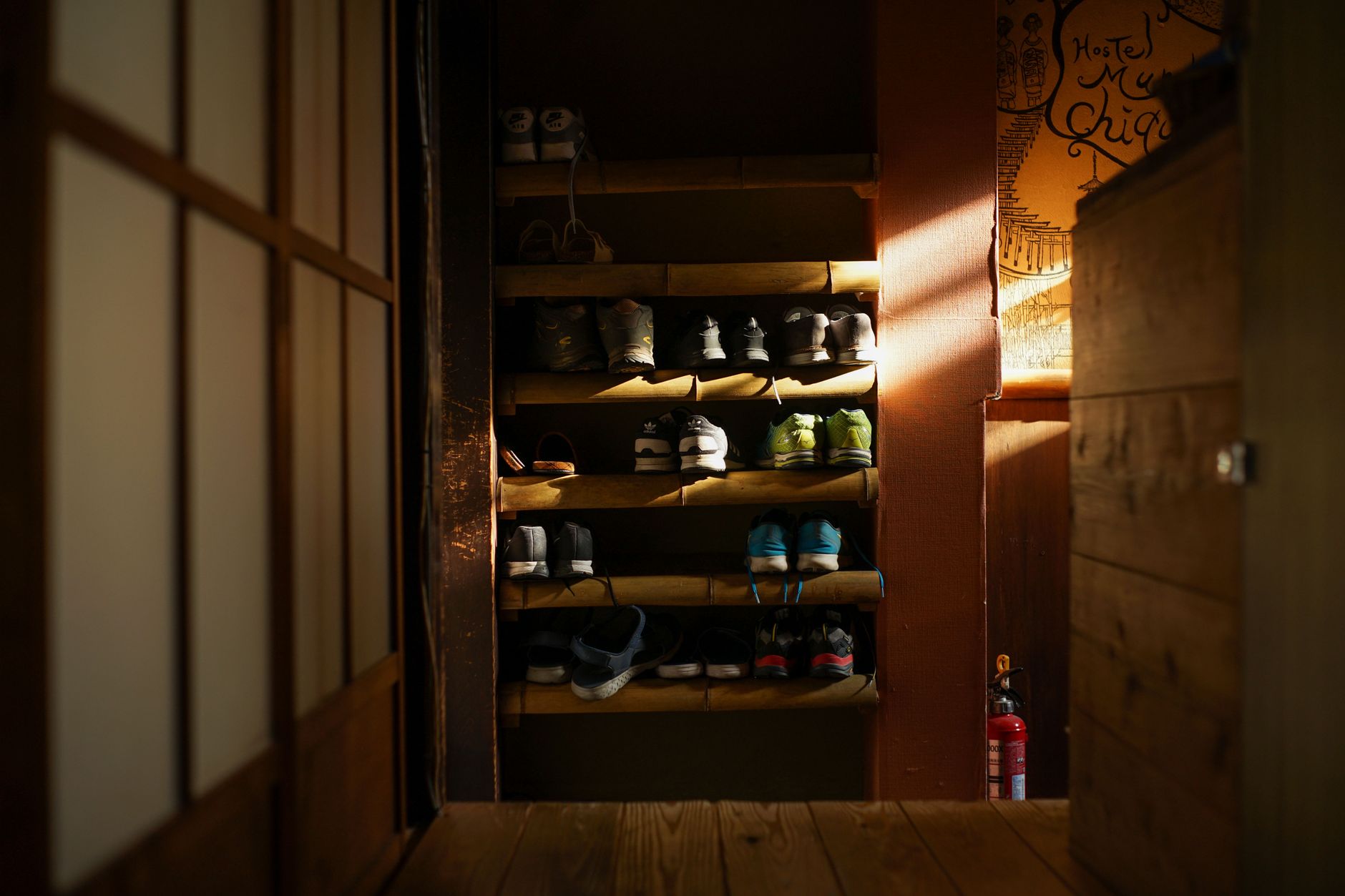
Why is there a step inside many Japanese homes? A genkan keeps shoes on the lower tile and marks the boundary between outside and inside.
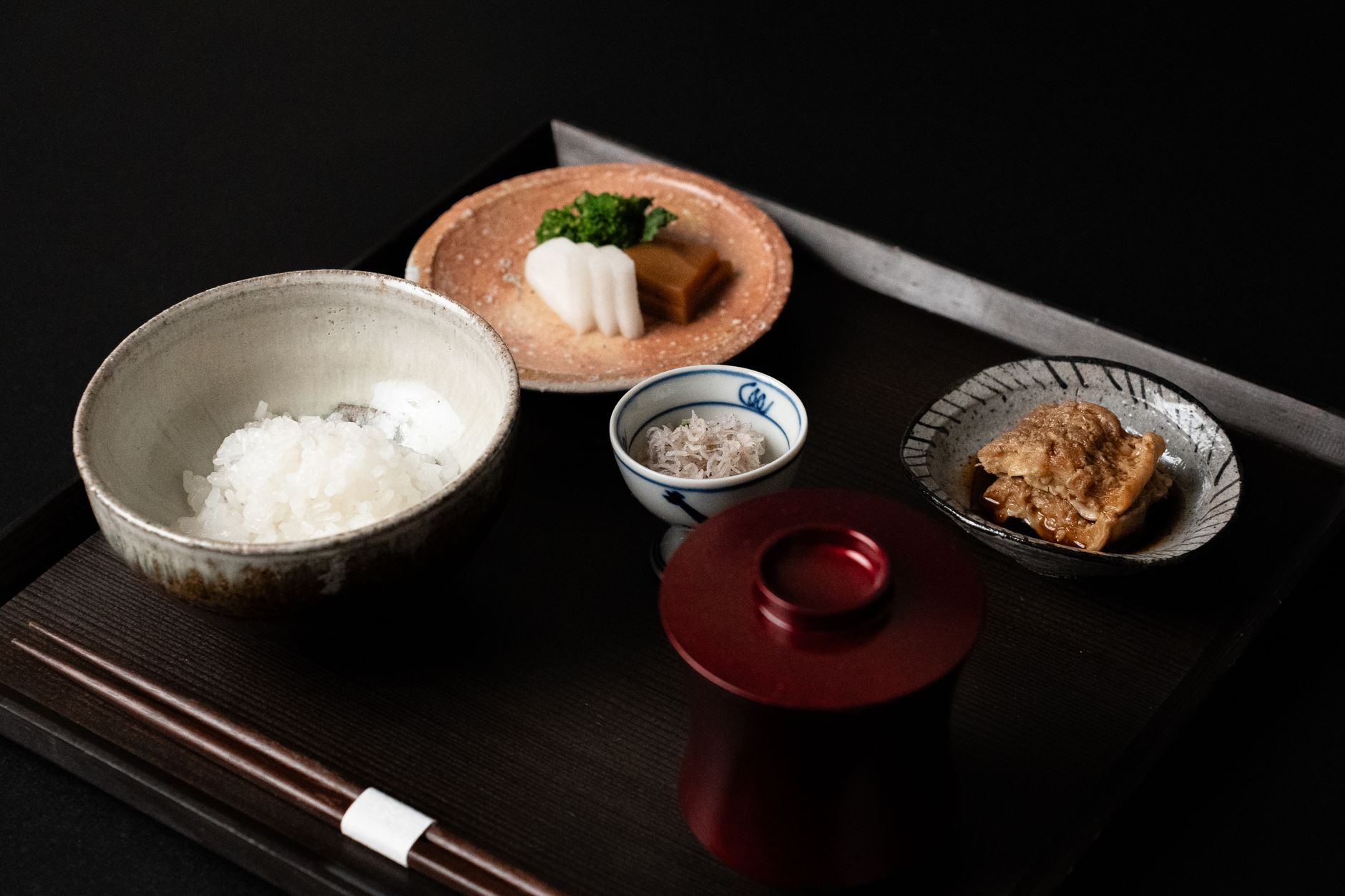
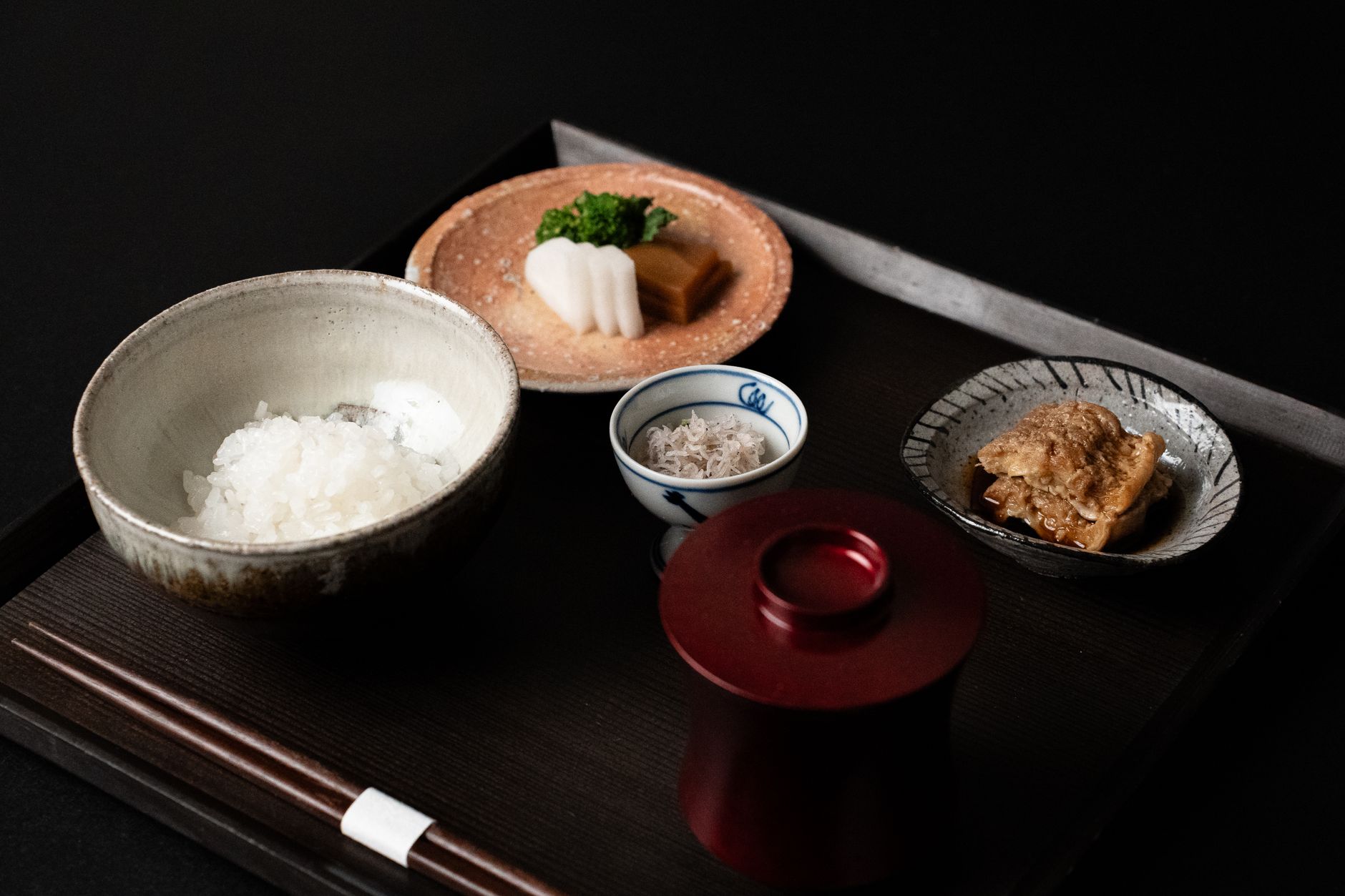
Why does a Japanese set meal look so full? A teishoku tray uses small portions of rice, soup, fish, pickles, and vegetables.

Latest Posts